AI album artwork is dividing the UK rock scene, and there is no clean answer. Most of the anger is aimed at undisclosed, cheap, generic output replacing paid illustrators, while the more tolerant view treats AI as one more tool, if a band is honest about it. Here is how the argument breaks down for ai album artwork uk rock bands, and how to work out your own position.
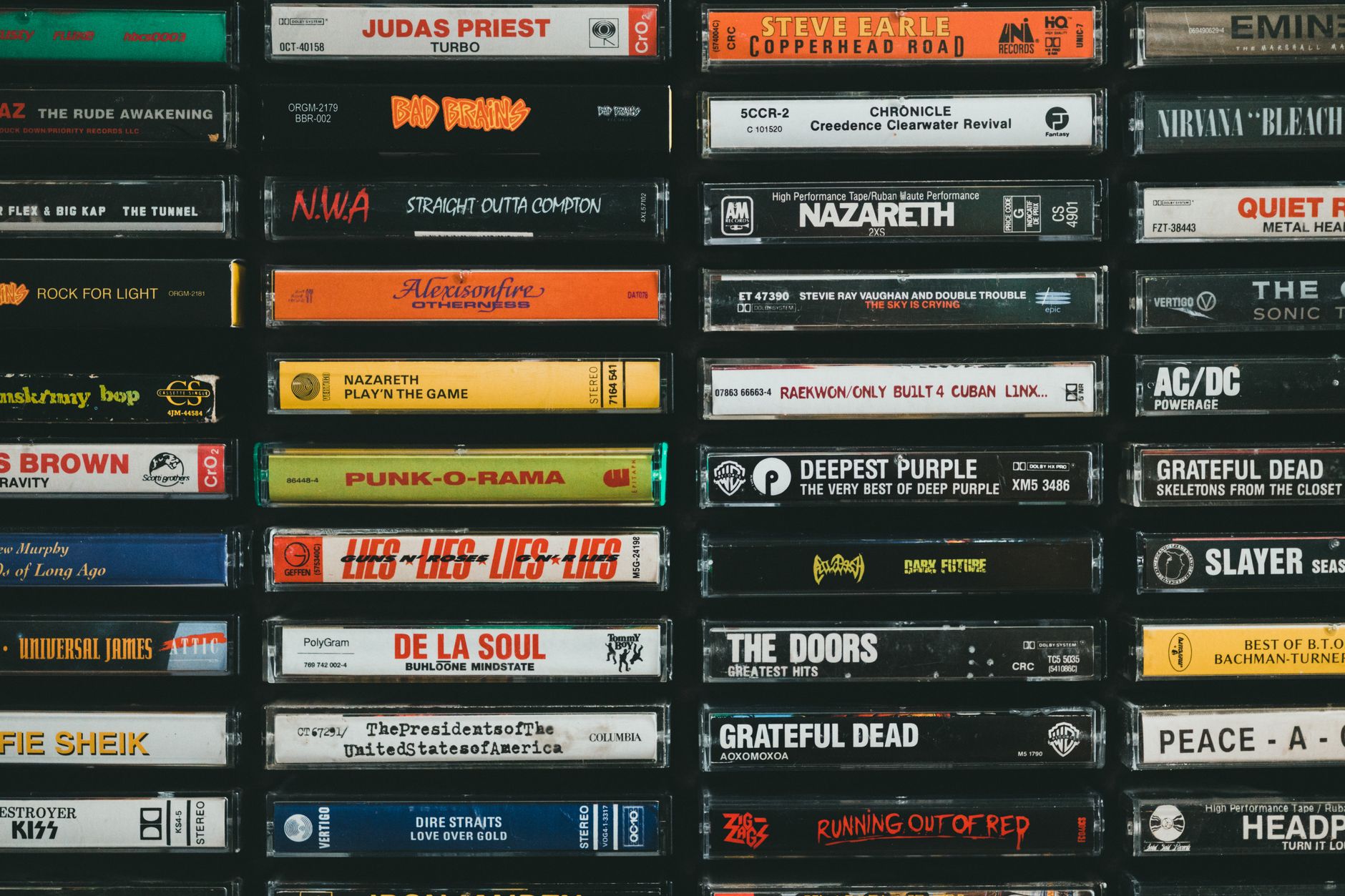
Metal and rock have always judged a record by its sleeve. Eddie, the Sabbath cross, a Dan Seagrave landscape: the image is half the identity. So when tools like Midjourney can produce a moody, fog-soaked skull in under a minute, the reaction was never going to be polite.
Why is AI artwork so contentious in rock and metal?
It is contentious because the genre treats cover art as part of the music, and because many illustrators in it work as freelancers on thin margins. A cover is a commission, often a few hundred pounds, and a lot of the people who take them are fans of the scene first. Image generators were trained on huge collections of existing artwork, and artists have objected that their work was scraped without permission or payment. Several lawsuits over this have been brought against AI companies, and the legal position in the UK is still being argued over by government, the creative industries and the tech sector.
That context matters. For many fans, the objection is not squeamishness about technology. It is about who gets paid, and whether a band that sells itself on authenticity is quietly outsourcing its look to a machine.
What are bands saying?
Bands fall into roughly three camps, and I would argue the middle one is the biggest.
The hard no
Plenty of bands now say plainly that they use human artists only, and some put it in their press notes or merch pages. For them it is a point of principle and a selling point. Black metal and doom acts, who lean hardest on hand-drawn or painted imagery, are the most vocal.
The quiet yes
Other bands, especially small ones with no budget, use generated images for singles, socials or gig posters and say little about it. Their reasoning is practical: a self-funded band choosing between paying for van hire and paying for a sleeve will often choose the van. If that is you, the money pressures are real. Our guide to how UK band funding schemes work is worth a read before you decide art is the line you can’t afford.
The tool, not the replacement
A smaller group uses AI for rough mood boards or ideas, then hands the brief to a human illustrator who paints the final piece. That sits more comfortably with most fans, because the paid work still goes to a person.
What do designers and illustrators want?
The common ask is transparency and consent, not a ban on the technology. Illustrators generally want clear labelling of AI-made work, no imitation of a living artist’s recognisable style, and companies that train models to license material rather than scrape it. Organisations such as the Association of Illustrators have campaigned on these points. Gig poster designers have a particular grievance: posters are fast, cheap, high-volume jobs, which makes them the easiest work for a generator to undercut.
How do fans react when a band uses AI art?
Fans react badly when they find out something was hidden, and far more mildly when a band is upfront. Comment sections tend to turn on tell-tale flaws: extra fingers, garbled lettering, a glossy sameness that looks like every other generated skull. A cover that gets spotted as AI after release, with no disclosure, usually does more damage than the image ever earned. Merch buyers are also a factor, since a lot of fans want a shirt or vinyl sleeve that someone actually made. If you care about physical releases, the vinyl pressing backlog is already making sleeves a bigger part of a record’s value.
Can you copyright AI-generated artwork in the UK?
The UK is unusual because its Copyright, Designs and Patents Act 1988 includes a provision for computer-generated works, giving authorship to the person who made the arrangements for creating them. How well that applies to modern image generators has been questioned, and the government has consulted on changes. Check the current position on the Intellectual Property Office pages rather than relying on a forum thread. For a band, the practical risk is simple: if you cannot clearly own your cover, merching it and defending it gets harder.
How to decide where you stand
Ask yourself a few direct questions and your position usually becomes clear.
- Did a person lose paid work because of this choice?
- Was the use disclosed, or hidden until someone noticed?
- Does the image copy a living artist’s style?
- Can the band actually own and reuse the result?
- Does it fit what the band says about itself?
If you are a fan, you can vote with your wallet: buy from bands whose practices you agree with, and ask about the art if it is not stated. If you are in a band, hire an illustrator where you can, say so, and if you do use AI, say that too. Plenty of acts are also looking at what Europe offers for audiences who care about craft, as covered in our piece on UK indie bands touring Europe. Whatever you choose, tell people before they work it out for themselves.
Frequently Asked Questions
Are UK rock bands using AI for album covers?
Yes, some are, mostly smaller acts working to tight budgets, and often for singles or posters rather than full albums. Many others publicly commit to human artists only. There is no reliable count, so judge band by band.
Is AI album artwork legal in the UK?
Using it is not illegal, but ownership and training data are unsettled. UK law has a provision for computer-generated works, and the government has consulted on AI and copyright. Check the Intellectual Property Office for the current position.
How can you tell if an album cover is AI-generated?
Look for distorted hands, garbled or nonsense lettering, odd merged details and an overly glossy, generic finish. None of these is proof, since artists also use digital tools. The most reliable sign is a band’s own statement.