

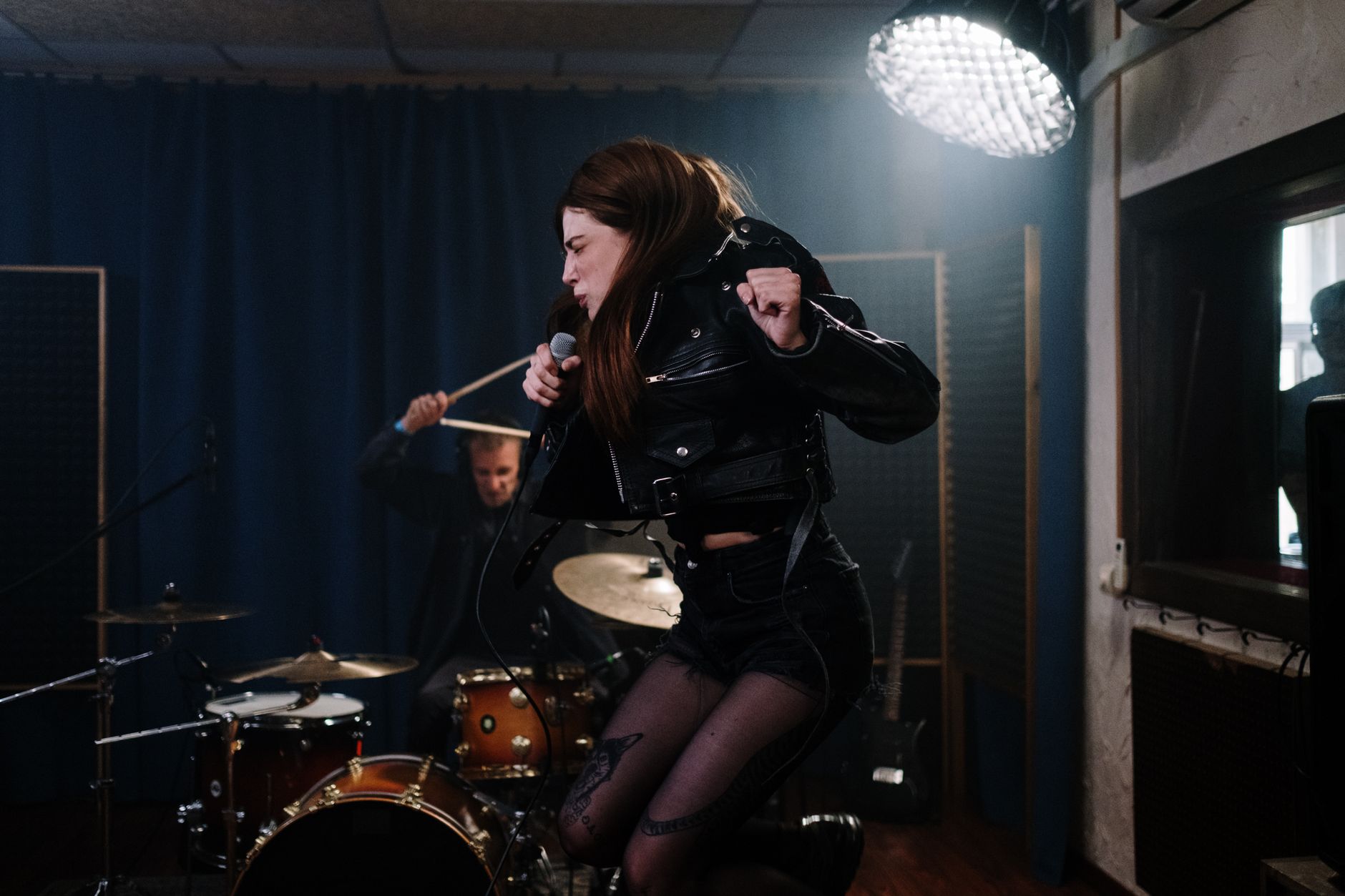
Something is shifting in the UK’s heavy underground, and it’s been building for a while now. The female-fronted metal bands UK has been nurturing in its rehearsal rooms and DIY venues are starting to push through in a serious way, moving beyond the “one token woman” narratives that plagued metal coverage for decades. These are full bands, collectives and solo projects with real weight behind them, musically and culturally. I’ve been following a few of these acts for the past couple of years, and I’d argue the current crop is the most creatively restless it’s ever been.
This isn’t about novelty. These bands aren’t interesting because of who’s fronting them. They’re interesting because the music is genuinely punishing, strange, gorgeous or terrifying, depending on who you’re listening to on any given night.
The Birmingham doom scene and why it matters
Birmingham has obvious metal pedigree going back to Black Sabbath in the late sixties, but the city’s current doom movement feels like its own distinct thing. A handful of women-led acts have made the city’s underground particularly worth paying attention to.
Ohhms toured relentlessly before their hiatus, but the gap they left has been filled by newer outfits drawing on the same low-end, slow-grinding tradition. Acts like Conjurer have put Midlands heavy music back on the map internationally, and in their wake you’ll find smaller doom and sludge acts led by women who bring an entirely different texture to the genre. The riffs are still massive. The tempos are still glacial. But there’s often a melodic courage and a lyrical directness that cuts through the murk in ways that feel fresh.
I’d point specifically to the growing circuit of Women in Metal events that have taken place across the West Midlands over the past few years. These aren’t charity showcases. They’re legitimate gig nights that have launched careers and built audiences who come back because the music delivers.
Glasgow’s black metal collectives: raw, cold, uncompromising
Scotland has always had its own relationship with extreme music, and Glasgow’s black metal scene has quietly produced some of the most uncompromising material in the country. The city’s female-fronted metal bands UK listeners might overlook tend to operate almost entirely outside the traditional label structure, releasing limited cassettes and digital-only records that spread through word of mouth and niche online communities.
What strikes me about the Glasgow scene specifically is the collective mentality. Rather than individual acts fighting for the same small pool of gig slots, there are groups of musicians who rotate through each other’s projects, share rehearsal spaces in the southside and east end, and treat the scene as a shared resource. The result is music that sounds genuinely collaborative rather than competitive. Some of these acts are barely twelve months old but are already playing with a confidence that takes most bands years to develop.
The atmospheric black metal coming from this corner of Scotland has a bleakness to it that fits the geography. When a vocalist is screaming over tremolo-picked guitars and the whole thing sounds like it was recorded inside a stone wall in winter, you tend to believe it.
London’s crossover acts: hardcore, post-punk and metal bleeding together
The capital’s underground has always been messier and more genre-fluid than scenes in other cities, partly because there are simply more venues and more musicians crammed into a small area. The all-women and female-fronted metal acts coming out of London tend to reflect that crossover energy. You’ll hear post-punk structures sitting inside doom arrangements, or hardcore urgency underneath genuinely technical riffing.
Bands playing the DIY circuit in Dalston, Peckham and Hackney are rarely trying to fit neatly into one genre box, and frankly that’s what makes them worth watching. Some of these acts have already drawn attention from promoters on the continent, and given the broader trend of British alt and indie bands choosing Europe over the US for their first big tours, it’s no surprise that heavy acts are following the same logic. European audiences for extreme music are large, well-organised and loyal. For a band that’s still building a following, a run of dates in Germany or the Netherlands can do more for a career than three years of playing the same five UK venues.
The DIY infrastructure behind the surge
None of this happens in a vacuum. The growth of female-fronted metal bands UK-wide is partly down to the infrastructure that’s developed around them: feminist metal zines, online communities, booking collectives that actively seek out women-led acts, and labels (some tiny, some slightly less tiny) that are genuinely investing in this corner of the scene.
organisations like She Shreds and broader conversations within UK metal media have helped normalise the idea that women fronting or leading heavy bands isn’t a niche subcategory. It’s just metal. The BBC Music coverage of heavy acts has gradually improved too, and that matters for reaching audiences who might not already be embedded in the underground.
Record pressing is a separate headache. As covered in the discussion of vinyl pressing backlogs and what they mean for UK rock releases, smaller acts often wait months for physical product that’s central to how they sell at gigs and generate income. That affects all independent heavy bands, but it hits underground acts particularly hard when they’re trying to capitalise on momentum from a good run of shows.
Acts to actually put on your list
Rather than giving you a vague wave in the direction of “the scene”, here are specific things worth doing. Search out Grave Pleasures, Alunah (Birmingham, with roots going back well over a decade), and the broader orbit of Svalbard, whose vocalist Serena Cherry has been one of the most consistent voices in UK post-metal for years. For the rawer end, dig into the Glasgow cassette releases coming out of independent labels like No Funeral. For something that sits at the punk-metal intersection, the South London circuit is where I’d spend time.
The common thread across all of them is that none of these acts are asking for your approval. They’re making music that would be worth your attention regardless of who was playing it. That’s exactly the point. Female-fronted metal bands UK has been building quietly for years, and this current moment feels less like a trend and more like a reckoning.
Get in early. These bands won’t be underground forever.
Leave a Reply